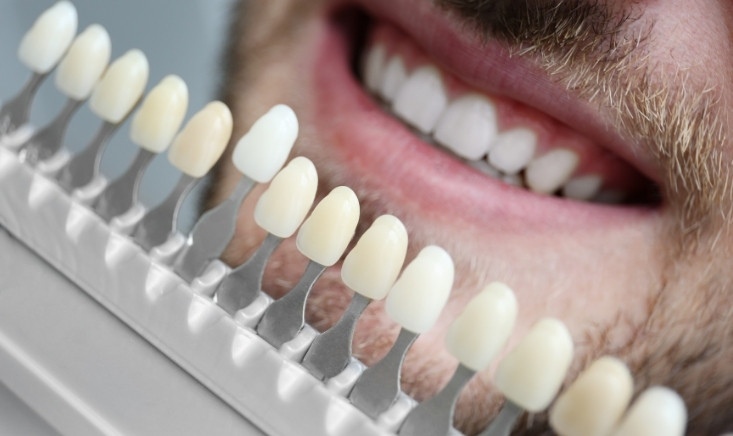
Porcelain vs. Composite Veneers: Choosing the Right Cosmetic Fix for Your Smile


A bright smile can do much to boost confidence and leave a lasting impression. For most of us, that perfect smile requires more than just brushing and flossing; it requires professional help. From chipped or discolored teeth to misaligned teeth, cosmetic dentistry offers practical solutions, with porcelain and composite veneers among the most popular approaches.
Veneers are designed to enhance the look of your teeth. Both porcelain and composite veneers have their own advantages, and the choice depends on your dental needs, lifestyle, and budget. In this blog, you will learn the essential differences between porcelain and composite veneers to help you decide which one is the best cosmetic fix for your smile.
What Are Veneers?
Veneers are thin shells of porcelain or composite resin that are bonded to the front surface of your teeth. They are custom-designed to fit your teeth perfectly, improving their shape, color, and overall appearance. Veneers are often used to correct imperfections in tooth appearance, such as stains, gaps, chips, or uneven teeth.
Therefore, a cosmetic dentist will help you choose between porcelain and composite veneers based on factors such as the condition of your teeth, the longevity you need for your new smile, and your personal preference. Both can create a natural-looking smile; however, each option differs in terms of materials used and durability.
Porcelain Veneers: A Durable Solution
Porcelain veneers in Tustin, CA, are a high-quality, durable material that resembles the natural appearance of teeth. These veneers are thin, translucent, and designed to blend seamlessly into your smile. They are highly stain-resistant, making them a good option if you want a long-lasting solution. Moreover, porcelain holds up well over time, making it a good choice for those seeking a lasting, low-maintenance smile.
One of the most salient advantages of porcelain veneers includes wear resistance; your smile will stay fresh and vibrant for many years. Porcelain veneers are also much stronger than composite veneers, which is why they work well for people with more complex dental imperfections. However, porcelain veneer placement is a bit more extensive, requiring several visits to your cosmetic dentist for preparation and fitting.
Composite Veneers: A Quick Option
Composite veneers are made of a resin material that is molded and shaped directly onto your teeth. Unlike porcelain veneers, composite veneers can be done in one visit, making them quicker for people on the go. The material is sculpted directly onto your teeth, allowing easy adjustments during the procedure.
Though not as resilient as porcelain, composites still result in a natural-looking finish and take less time. They are an excellent option for people who need minor cosmetic touch-ups and prefer a faster, less invasive treatment. However, they may require more maintenance over time than porcelain, as they are more prone to staining and wear.
The Veneers Process
Whether you choose porcelain or composite veneers, the process involves a consultation with your cosmetic dentist, followed by a preparation phase. The various stages of the veneer process are provided below:
- In the case of porcelain veneers, the dentist makes an impression of your teeth and sends it to a dental laboratory where the veneers are custom-made.
- When they are ready, you will return to have them bonded to your teeth.
- Composite veneers, on the other hand, are applied directly to your teeth in a single visit.
- The dentist will clean and shape your teeth, then apply the resin material.
- The material is then polished once it has hardened, giving it a smooth, natural look.
How to Choose Between Composite and Porcelain Veneers?
When selecting between porcelain and composite veneers, it’s all about considering your personal needs and wants. If you are looking for long-lasting results with excellent durability and stain resistance, porcelain veneers are the option you want. In this case, if you prefer a faster solution but are willing to accept more frequent maintenance, composite veneers would be a better fit.
A cosmetic dentist can help you choose the option that best suits your lifestyle and dental needs. Your dentist will guide you through the process, ensuring that you are confident in your decision.
Achieving Your Best Smile with the Right Veneers
Whether to choose porcelain or composite veneers depends on a personal analysis of individual needs, objectives, and lifestyle. Though both alternatives offer significant cosmetic advantages, you should also consider durability, maintenance, and long-term dental health. Consulting with a cosmetic dentist can provide the guidance you need to make an informed choice.
At Larwin Square Dentistry, we are committed to helping you achieve the smile you have always wanted with the right veneers for your needs. Our team offers personalized care to ensure that you feel confident and happy with your new smile. Call now to schedule a consultation and take that first step to enhancing your smile!
FAQs
1. What is the difference between porcelain and composite veneers?
Porcelain veneers are made from a durable, stain-resistant material that provides a natural-looking, long-lasting result. They are ideal for a more permanent cosmetic solution. On the other hand, composite veneers can be applied in a single visit and are typically quicker to place, though they may require more maintenance over time and are less durable than porcelain veneers.
2. How long do porcelain veneers last?
With proper care, porcelain veneers can last 10 to 15 years or longer. Their durability and resistance to stains make them a long-term solution for a bright, beautiful smile, offering excellent value for their lifespan.
3. Are composite veneers durable?
While composite veneers are durable, they typically last between 5 and 7 years. They are more prone to wear and staining than porcelain, but with reasonable care, they can still offer a reliable cosmetic fix for several years.
4. Do veneers require special care?
Both porcelain and composite veneers require regular brushing, flossing, and routine dental visits to maintain their appearance. It’s also important to avoid habits such as biting your nails or chewing on hard objects, as these can damage or chip the veneers.
5. Can veneers fix misaligned teeth?
Veneers can improve the appearance of slightly misaligned teeth by creating a more uniform and aesthetically pleasing smile. However, they cannot replace the function of braces or other orthodontic treatments for more severe misalignment.
6. Are veneers painful to get?
The procedure for getting veneers is generally painless. Your dentist will ensure you’re comfortable, and local anesthesia is often used during preparation to minimize any discomfort. The process is typically smooth and well-tolerated by most patients.