Can Deep Gum Pockets Cause Tooth Loss? Tips from Dr. Desai on Saving Your Natural Smile

Gum health is an essential part of your overall dental well-being, yet it’s often overlooked. Many people don’t realize that deep gum pockets, which occur when the gums pull away from the teeth, can lead to serious dental issues. In fact, if left untreated, these pockets can result in tooth loss. At Larwin Square Dentistry in Tustin, Dr. Desai provides solutions to keep your gums and teeth healthy through proactive care, including gum pocket surgery.
If you’re noticing signs of gum disease, such as bleeding gums, bad breath, or a persistent bad taste, it might be time to act. Here’s why deep gum pockets need your attention and how you can save your smile with proper care.
What Are Deep Gum Pockets?
A healthy gum line forms a tight seal around your teeth, preventing bacteria from entering and causing damage. However, when plaque and tartar build up, it can lead to gum disease. This infection causes the gums to recede, creating pockets between your teeth and gums. These pockets allow bacteria to thrive and can lead to further gum recession, bone loss, and, eventually, tooth loss.
How Do Deep Gum Pockets Cause Tooth Loss?
When gum disease progresses, it can damage the supporting structures of your teeth, including the bone. The deeper the pockets, the more destructive the bacteria can be. Over time, this damage weakens the foundation of your teeth, making them more prone to looseness and increasing the risk of tooth loss. While gum disease is preventable with regular oral care, once pockets form, more intensive treatments are often needed.
Dr. Desai stresses the importance of addressing gum disease early on to prevent these complications. “Routine dental exams and cleanings are essential in catching early signs of gum disease, especially in areas where pockets may develop,” he says. “Once pockets deepen, they can be harder to treat without specialized procedures like gum pocket surgery.”
How Gum Pocket Surgery in Tustin Can Help
If gum disease has already advanced, gum pocket surgery may be necessary to restore your oral health and prevent further tooth loss. This surgery involves cleaning the deep pockets and reshaping the gum tissue to restore a tight seal around the teeth. It can also involve bone grafts if bone loss has occurred.
At Larwin Square Dentistry, we understand that the thought of surgery can be intimidating, but Dr. Desai and the team work closely with each patient to ensure comfort and the best possible outcomes. Gum pocket surgery is a highly effective treatment for those struggling with advanced gum disease, helping to:
- Eliminate harmful bacteria trapped in deep pockets.
- Rebuild gum tissue to protect the teeth and bones.
- Prevent further bone loss and improve the chances of saving your natural teeth.
- Restore overall gum health and prevent the recurrence of gum disease.
Signs You Might Need Gum Pocket Surgery
If you notice any of the following symptoms, it’s time to consult Dr. Desai for a thorough evaluation:
- Bleeding gums: Frequent or excessive bleeding during brushing or flossing can indicate gum disease.
- Swollen or tender gums: Infected gums often become swollen and painful to the touch.
- Receding gums: If your gums are visibly pulling away from your teeth, pockets may have formed.
- Bad breath: Persistent bad breath or a bad taste can be a sign of bacterial buildup in deep pockets.
- Loose teeth: Gum disease that affects the bone can make teeth feel loose or shift in the mouth.
Ignoring these symptoms can result in further gum damage, so it’s essential to address any concerns early.
How to Prevent Deep Gum Pockets
Preventing deep gum pockets starts with a good oral hygiene routine. Dr. Desai recommends the following practices to help keep your gums healthy:
- Brush and floss daily: Brushing twice a day and flossing once daily help remove plaque buildup, preventing gum disease.
- Visit your dentist regularly: Routine exams and professional cleanings can help detect early signs of gum disease before they turn into deep pockets.
- Avoid smoking: Smoking is a major risk factor for gum disease, as it reduces blood flow to the gums and impairs healing.
- Eat a balanced diet: Proper nutrition supports your immune system and helps maintain healthy gums and teeth.
- Manage your health conditions: Conditions like diabetes can increase your risk of gum disease. Managing your health can help prevent oral complications.
What to Expect During Gum Pocket Surgery in Tustin
If Dr. Desai recommends gum pocket surgery, here’s what you can expect during the procedure:
- Preparation: Before surgery, local anesthesia will be administered to ensure you’re comfortable.
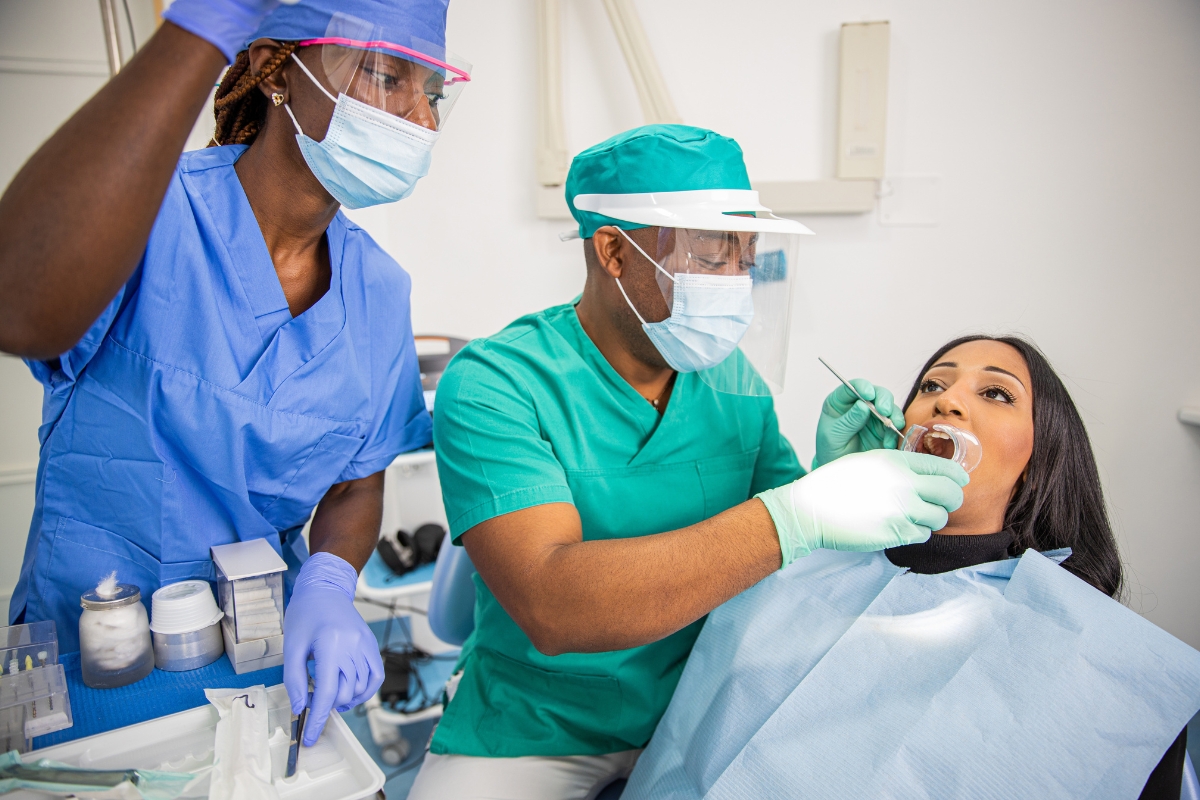
- Surgical Procedure: Dr. Desai will make small incisions in the gums to access deep pockets, remove bacteria and plaque, and reshape the gum tissue to reduce pocket depth.
- Post-Surgery Care: You may experience some swelling or discomfort following the surgery, but these symptoms typically subside within a few days. Dr. Desai will provide aftercare instructions to ensure proper healing.
- Recovery: It’s important to follow the recovery plan and attend follow-up appointments to ensure the gums heal correctly.
With gum pocket surgery, patients can expect long-term relief from gum disease and a stronger foundation for their teeth.
Book Your Appointment Today
If you’re concerned about gum disease or deep gum pockets, don’t wait for the problem to worsen. Larwin Square Dentistry in Tustin offers comprehensive periodontal care, including gum pocket surgery, to help you preserve your smile for years to come. Dr. Desai and the team are here to guide you every step of the way toward better gum health.
Call us today to schedule your consultation!
People Also Ask
1. How long does recovery take after gum pocket surgery?
Most patients experience full recovery in about 1-2 weeks, though it may take up to a few months for the gums to fully heal. Dr. Desai will provide detailed aftercare instructions.
2. Will I need to take time off work after surgery?
Most patients can return to work the next day, but it’s recommended to avoid strenuous activities for a few days to ensure proper healing.
3. Is gum pocket surgery covered by insurance?
Insurance coverage varies, but many dental plans do cover gum pocket surgery if it’s deemed medically necessary. Dr. Desai’s office will work with you to verify your coverage options.
4. Can gum disease return after surgery?
While surgery can help restore gum health, it’s crucial to maintain good oral hygiene to prevent future issues. Regular check-ups with Dr. Desai will help keep your gums healthy.