Will Invisalign Affect My Speech?


Clear aligners have changed the way we approach orthodontic care, offering a discreet way to straighten teeth without the heavy metal of traditional braces. A common concern we hear from patients is whether these plastic trays will interfere with their ability to speak clearly, especially during important meetings or social outings. Most people worry that they will develop a noticeable lisp or sound different to their friends and colleagues. It is a valid concern because your voice is a huge part of your identity.
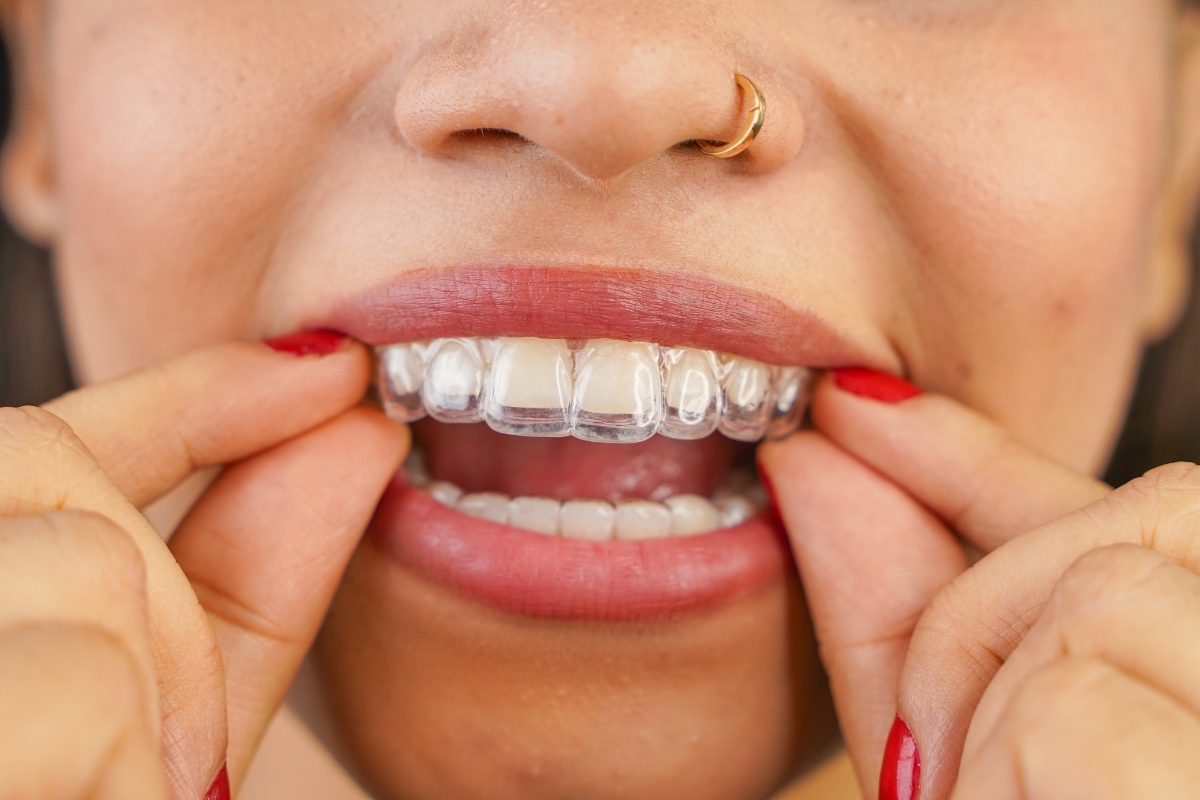
Speech is a complex mechanical process that involves your tongue striking the back of your teeth to create sounds. When you introduce a thin layer of medical-grade plastic over your enamel, the insides of your mouth change. Your tongue has to learn a new path to create the same sounds it has been making for decades. While this sounds daunting, the human mouth is incredibly adaptable. Most changes are subtle and temporary, lasting only a few days as your oral muscles adjust to the new addition.
Research suggests that the vast majority of aligner wearers experience only minor speech impediments, which most resolve within a week. I often tell my patients that they will likely notice the change more than anyone else will. The slight “thickening” of speech occurs because the tongue contacts the aligner rather than the tooth, but this is a hurdle that practice and patience can easily overcome.
Adapting to Your New Clear Aligners
Adjusting to a new set of trays takes a bit of time, usually between forty-eight and seventy-two hours. During this initial phase, you might notice a slight lisp, particularly when trying to pronounce “S,” “Z,” or “TH” sounds. These are known as sibilant sounds, and they require precise tongue placement. If you are considering Invisalign in Tustin, you should know that our patients often find that talking through the initial awkwardness is the fastest way to move past it.

The brain is remarkably efficient at recalibrating your speech patterns. By simply continuing to speak, you are training your tongue to find the right spots despite the aligner. It is much like wearing a new pair of shoes; at first, they feel stiff, and you might walk a little differently, but soon you forget you even have them on. We recommend reading a book aloud or singing along to your favorite songs while driving down the highway. This constant repetition speeds up the muscle memory required for clear communication.
Beyond the physical presence of the plastic, some patients experience increased salivation when they first start treatment. Your brain occasionally mistakes the trays for food, triggering the salivary glands. Extra saliva can make speech feel a bit “slushy,” but this typically settles down within a day or two as your mouth adjusts to the aligners not going anywhere and certainly not being a snack.
Practical Tips for Clear Communication
If you have a big presentation or a date coming up, you might feel a bit nervous about your speech. There are several ways to ensure you stay confident and articulate while your mouth adjusts to the treatment. Consistency is the most important factor here. The more you keep your trays on, the faster your speech returns to normal.
- Practice Specific Words: Focus on words with heavy “S” sounds. Repeat them slowly, then at normal speed, to help your tongue find its new home.
- Stay Hydrated: A dry mouth can actually make speech more difficult. Keeping a water bottle handy helps maintain the right environment for clear talking.
- Keep Trays Seated: Ensure your aligners are pushed firmly against your teeth. If there is a gap between the tray and the tooth, it creates more space for air to escape, which increases the likelihood of a lisp.
- Record Yourself: Sometimes we think we sound different when we actually don’t. Recording a voice note can give you a more objective perspective on how you truly sound to others.
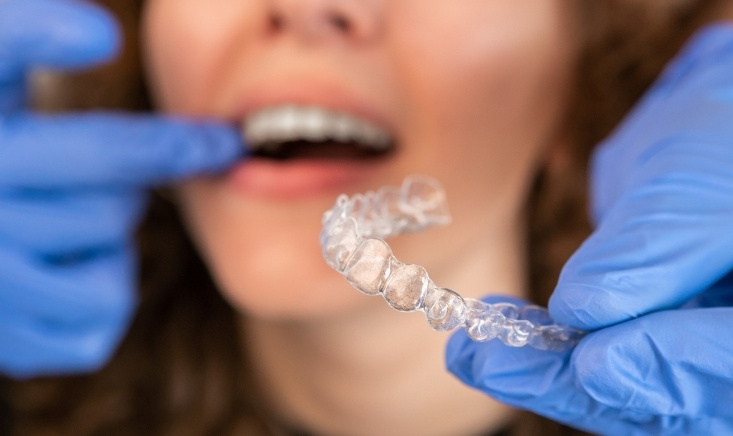
Most patients find that by the end of their first week, they are speaking just as clearly as they did before. If you find that a specific edge of the tray is sharp or irritating your tongue—which can also affect how you move your mouth to speak—we can easily smooth that down for you. Seeking Invisalign in Tustin means you have a local team ready to make those tiny adjustments that make a huge difference in your daily comfort.
Why the Initial Transition is Worth the Effort
While the first few days might feel a little strange, the long-term benefits of clear aligner therapy far outweigh a temporary lisp. Straighter teeth are not just about aesthetics; they are easier to clean and lead to better overall gum health. Properly aligned teeth reduce the risk of uneven wear and tear on your enamel and can even alleviate jaw tension.

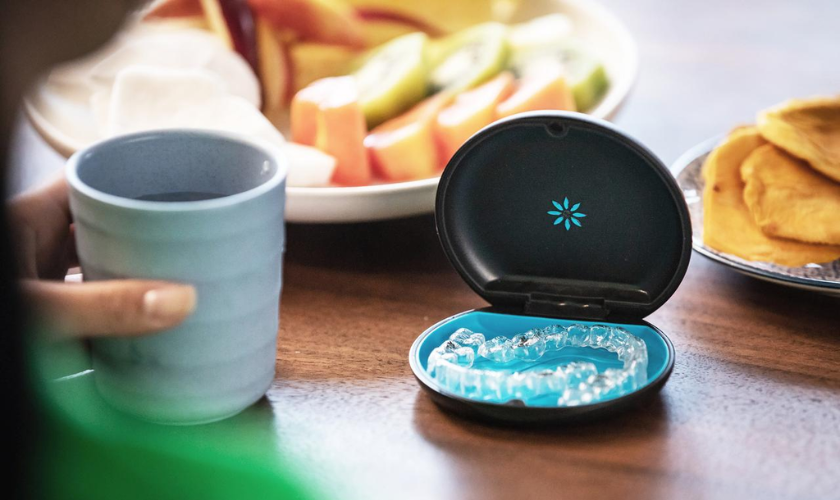
The beauty of this system is its flexibility. If you truly have a high-stakes moment where you cannot risk even a minor speech change, you can briefly remove the trays. However, we always caution against making this a habit. To reach your smile goals on time, you need to keep those trays in for at least twenty-two hours a day. The “speech hurdle” is a small price to pay for a lifetime of confidence. When you visit us for Invisalign in Tustin, we work with you to create a schedule that fits your lifestyle and keeps your progress on track.
Undergoing orthodontic treatment can make you wonder how it will affect your daily life. Whether you’re concerned about a temporary lisp or curious about the timeline for your results, we at Larwin Square Dentistry are here to provide the clarity you need.
People Also Ask
Will Invisalign make my breath smell or affect my speech that way?
While the aligners themselves don’t change your speech through scent, bacteria buildup can occur if they aren’t cleaned. This doesn’t directly cause a lisp, but it might make you self-conscious about opening your mouth wide to speak. Keeping your trays crystal clear ensures you speak with total confidence.
Can I chew gum with my aligners in to help with my speech?
No, you should never chew gum with your trays in. The gum will stick to the plastic and can ruin the aligner. If you need to freshen your breath or stimulate saliva to help you speak more clearly, stick to water or sugar-free mints (but remove the trays if the mints are hard or sticky).
Does the thickness of the aligner vary between brands?
Yes, different clear aligner systems use different materials and thicknesses. This can slightly change how they feel about your tongue. High-quality systems aim to be as thin as possible while maintaining the strength needed to move teeth, helping minimize speech interference.
What should I do if my lisp doesn’t go away after two weeks?
If you are still struggling with your speech after the first fourteen days, it is worth a quick check-up. Occasionally, an aligner might not be seating correctly, or there may be a minor fit issue that we can resolve to help your tongue move more naturally.