
Root Canal Recovery: What to Eat, When Pain Stops, and Red Flags

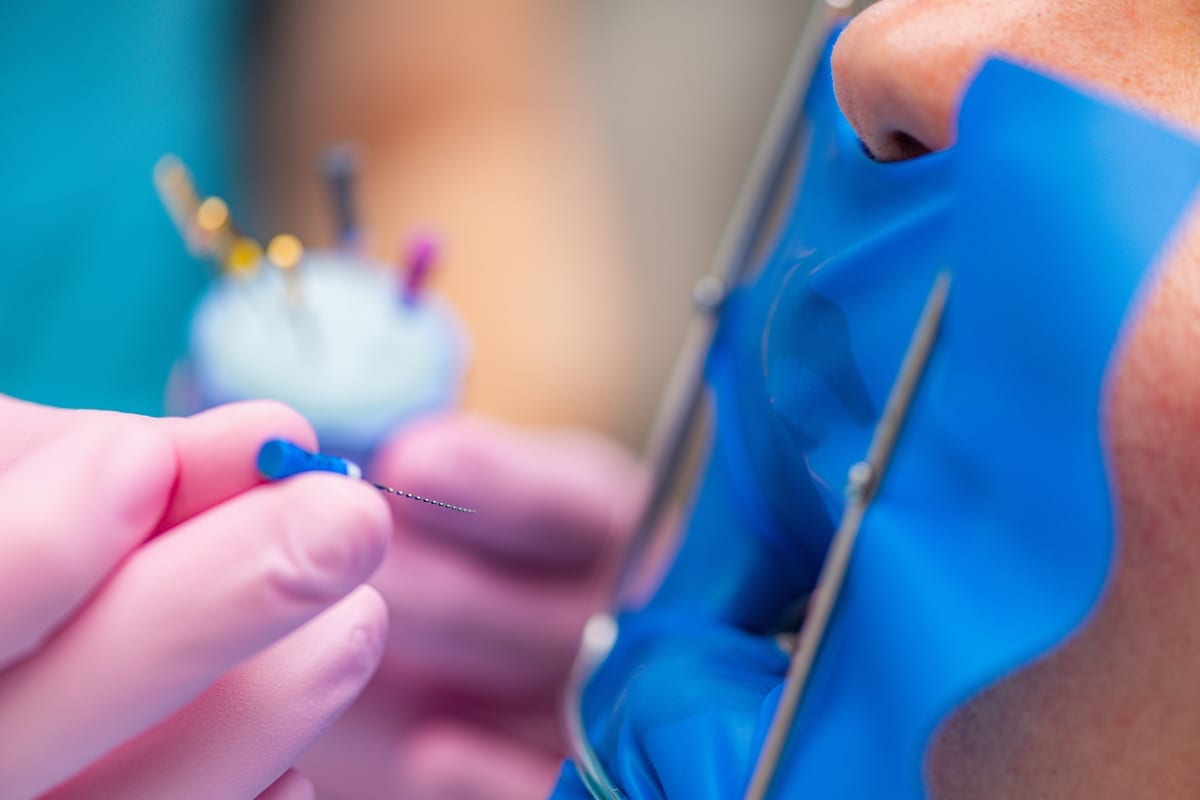
Root canal recovery in California doesn’t have to be stressful or confusing. Most patients at Dental Office California experience mild discomfort after the procedure. Knowing what to expect helps you heal faster and more comfortably. This guide covers everything from food choices to red flags you should never ignore.
Many people fear root canals more than they fear recovery. The truth is, the procedure relieves pain — not causes it. Understanding the healing process puts you back in control of your dental health.
What to Eat During Root Canal Recovery in California
Your diet plays a big role in how quickly you heal after a root canal. The treated tooth will feel sensitive for several days. Choosing the right foods reduces irritation and supports healing.
Start with soft, easy-to-chew foods for the first 48 to 72 hours. Avoid anything that requires heavy biting or chewing pressure. Temperature extremes can also trigger discomfort, so lukewarm foods are best.
Good food choices after a root canal include:
- Yogurt and smoothies
- Mashed potatoes and soft vegetables
- Scrambled eggs or soft-boiled eggs
- Oatmeal and soft cereals
- Soup (not too hot)
- Bananas and avocados
- Soft fish like tilapia or salmon
Avoid hard, crunchy, or sticky foods. Chips, nuts, and chewy candy can stress the treated tooth. Hard foods may dislodge the temporary crown placed over the tooth. Follow your dentist’s food guidelines for at least three to five days.
How Long Does Pain Last — and Which OTC Relievers Help?
Mild to moderate soreness after a root canal is completely normal. Most patients notice the peak discomfort within the first 24 to 48 hours. Pain should gradually decrease each day after that.
The majority of patients feel significantly better by day three or four. Lingering mild sensitivity around the treated tooth can last one to two weeks. This is normal as the surrounding tissue heals.
Over-the-counter pain relievers that work well include:
- Ibuprofen (Advil, Motrin): Reduces inflammation and relieves pain effectively
- Acetaminophen (Tylenol): Good option if you cannot take anti-inflammatories
- Naproxen (Aleve): Longer-lasting relief for moderate discomfort
Always follow the dosage instructions on the label. Do not exceed recommended daily limits. If your dentist prescribed medication, take it exactly as directed. Combine OTC relievers with cold compresses applied to the outside of your jaw for added comfort.
Avoid aspirin unless your dentist specifically recommends it. Aspirin can thin the blood and may slow healing. Talk to Dr. Hiral Desai at Larwin Square Dentistry before mixing medications.
Red Flags to Watch for After Your Root Canal in California
Most root canal recoveries go smoothly without complications. However, certain symptoms may signal that something needs attention. Knowing the red flags helps you act quickly if a problem develops.
Contact your dentist right away if you notice any of the following:
- Severe pain that worsens instead of improving after day two or three
- Swelling in your jaw, cheek, or neck that is getting larger
- A fever above 100°F that doesn’t subside
- Visible pus or discharge near the treated tooth
- A bad taste in your mouth that persists
- The temporary crown feels loose or falls out
- Numbness that does not wear off after several hours
These symptoms don’t always mean treatment failed. Sometimes they indicate a secondary infection or a need for an adjustment. Early intervention leads to faster resolution and better outcomes.
Patients in California should never ignore persistent or worsening symptoms. Getting evaluated promptly protects both the tooth and your overall health. Dr. Hiral Desai and the team at Larwin Square Dentistry are ready to assess any concerns.
Tips to Speed Up Your Root Canal Recovery
Simple habits can make a meaningful difference in how fast you recover. Being proactive during the first week gives your body the best chance to heal. Small adjustments to your daily routine go a long way.
Here are practical recovery tips recommended by dental professionals:
- Rinse gently with warm salt water starting 24 hours after the procedure
- Avoid smoking or using tobacco products — they slow tissue healing significantly
- Keep your head elevated while sleeping to minimize swelling
- Chew on the opposite side of your mouth until the permanent crown is placed
- Stay hydrated and eat nutritious soft foods to support your immune response
- Avoid strenuous exercise for the first 24 hours after your procedure
Maintain your oral hygiene routine, but be gentle near the treated area. Brush carefully around the tooth and floss the adjacent teeth lightly. Good hygiene prevents bacteria from building up and causing complications.
Attend all scheduled follow-up appointments with your dentist. The permanent crown placement is a critical final step in protecting your tooth. Skipping this appointment can leave the tooth vulnerable to fracture or reinfection.
Connecting Root Canal Care to Your Long-Term Dental Health
A root canal saves a tooth that would otherwise require removal. Keeping that tooth protects your bite, your jawbone, and your surrounding teeth. Long-term dental health depends on consistent care after the procedure.
If a tooth is eventually lost despite treatment, tooth replacement options are available. Dental Implants California offer a durable, natural-looking solution for missing teeth. Implants preserve jawbone density and restore full chewing function effectively.
Larwin Square Dentistry provides comprehensive dental care for patients throughout California. From root canal treatment to preventive care and restorative options, Dr. Hiral Desai supports every stage of your dental health journey. Regular checkups after a root canal help ensure the treated tooth remains healthy for years to come.
Root canal recovery in California is manageable with the right information and support. Stay informed, follow your dentist’s post-care instructions, and reach out when something feels wrong. Your comfort and long-term health are always the priority at Larwin Square Dentistry. Book Now to schedule your appointment with our team.
Frequently Asked Questions
How long does root canal recovery usually take?
Most patients feel noticeably better within three to five days after the procedure. Full tissue healing around the treated tooth can take one to two weeks. Sensitivity during that time is normal and gradually fades on its own.
Can I go to work the day after a root canal?
Most people return to work or normal activities the day after treatment. You may feel some soreness, but it should be manageable with OTC pain relievers. If your procedure was more complex, rest for an additional day if needed.
Is it normal for the tooth to feel high or sensitive after a root canal?
Yes, it’s common for the bite to feel slightly off after a root canal. This happens because the tissues surrounding the tooth are inflamed. If the bite discomfort doesn’t improve within a few days, contact your dentist for a quick adjustment.
What foods should I completely avoid after a root canal?
Avoid hard, crunchy, sticky, and chewy foods for at least three to five days. Examples include hard candies, popcorn, raw carrots, bagels, and taffy. These foods can crack a temporary crown or put excessive pressure on the healing tooth.
When should I call the dentist after my root canal?
Call your dentist if pain worsens after the second day, if swelling increases, or if you develop a fever. A persistent bad taste, visible swelling, or a loose temporary crown also warrant a call. Early evaluation prevents small issues from becoming bigger problems.