
Teeth Cleanings Every 3 Months in North Tustin

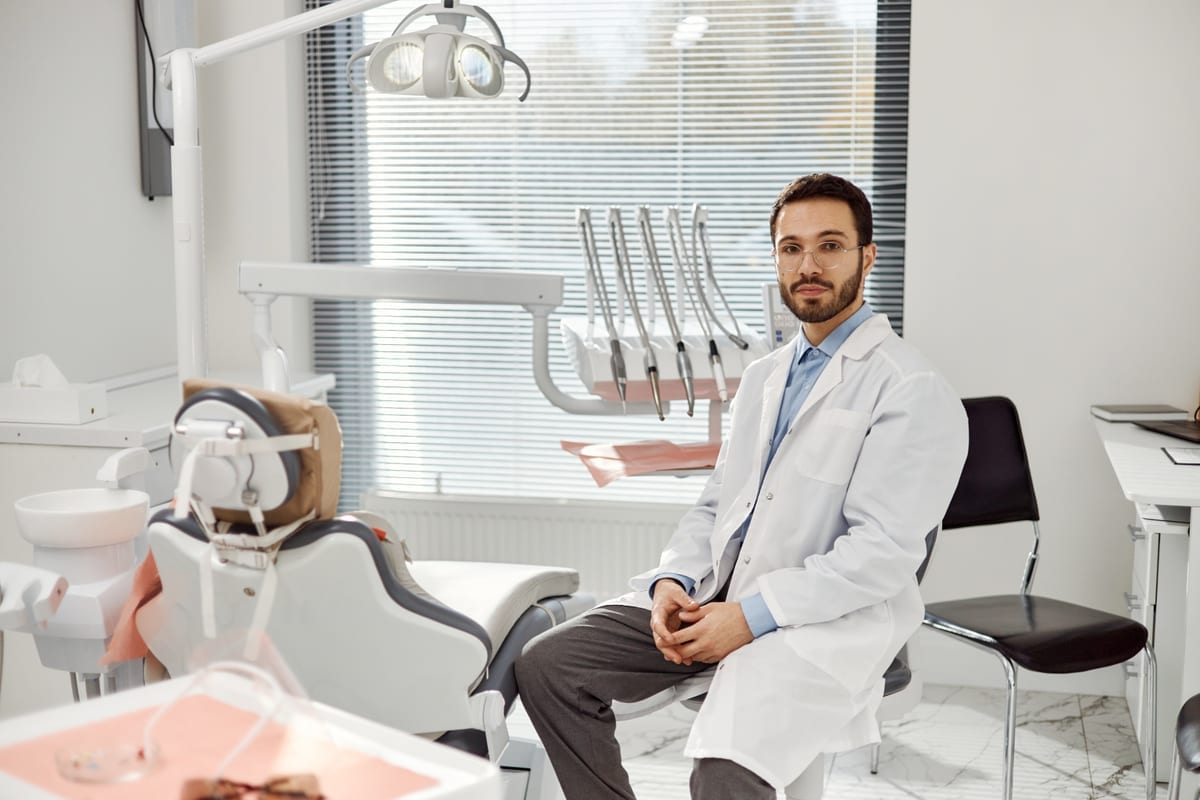
If your dentist recently told you to come in every three months instead of six, you may have felt surprised. Many patients in North Tustin ask why their cleaning schedule differs from family or friends. Understanding why your dentist recommends cleanings every 3 months, not 6 in North Tustin can help you take better control of your oral health. The answer depends on several personal risk factors that Dr. Hiral Desai carefully evaluates for every patient.
What Is a Prophylaxis Cleaning and Why Does Frequency Matter?
A prophylaxis cleaning removes plaque and tartar that daily brushing cannot eliminate on its own. Tartar — hardened plaque — can only be removed with professional tools. Left untreated, it leads to gum disease, tooth decay, and more serious dental problems. The interval between your cleanings plays a huge role in preventing these outcomes.
For some patients, six months is enough time between visits. For others, bacteria and tartar build up much faster. The right frequency protects your teeth before damage has a chance to progress. That is why a one-size-fits-all schedule simply does not work for every person.
At our Dental Office, Dr. Desai reviews each patient’s health history, gum condition, and oral hygiene habits before recommending a cleaning interval. This personalized approach leads to far better long-term outcomes.
Key Factors That Determine Your Cleaning Schedule in North Tustin
Several specific conditions make more frequent cleanings necessary. These are not arbitrary decisions — they are based on clinical evidence. Dr. Hiral Desai considers all of these before recommending your ideal schedule.
- Gum disease (periodontitis or gingivitis): Active gum disease requires closer monitoring and more frequent removal of bacteria.
- Diabetes: Systemic conditions like diabetes reduce the body’s ability to fight oral infections.
- Dry mouth (xerostomia): Saliva naturally fights bacteria, so reduced saliva leads to faster plaque buildup.
- Smoking or tobacco use: Tobacco users develop tartar more rapidly and face higher risk of gum disease.
- History of cavities: Patients who develop frequent cavities benefit from more regular cleanings and fluoride treatments.
- Weakened immune system: Certain medications and health conditions increase vulnerability to oral infections.
- Orthodontic appliances or crowns: These can create hard-to-clean areas where plaque accumulates faster.
Even if you brush and floss diligently, these factors can override good home habits. Professional intervention at shorter intervals keeps bacteria from gaining the upper hand.
Why Your Dentist Recommends Cleanings Every 3 Months — The Science Behind It
Research shows that bacterial colonies in the mouth follow a predictable cycle. After a professional cleaning, it typically takes around 90 days for bacteria to re-establish to a level that causes significant harm. For high-risk patients, that window is much shorter. This is precisely why your dentist recommends cleanings every 3 months, not 6, in North Tustin for patients with elevated risk factors.
A three-month interval essentially resets the bacterial cycle before it can cause damage. It keeps inflammation low, preserves bone around the teeth, and reduces the likelihood of needing invasive procedures. Early intervention is always less complex and less costly than treating advanced disease.
Think of it like changing the oil in your car. Some vehicles need it every 3,000 miles, others every 7,500. The right interval depends on how your specific system works — not a general rule.
What Happens During a 3-Month Maintenance Cleaning Visit?
A three-month cleaning appointment is often called a periodontal maintenance visit. It differs slightly from a standard six-month cleaning. Here is what you can typically expect:
- Periodontal charting: The hygienist measures the depth of gum pockets to track changes over time.
- Scaling and polishing: Plaque and tartar are removed from above and below the gumline.
- Irrigation: Antimicrobial rinse may be applied to infected pockets to reduce bacteria.
- Fluoride treatment: Applied to strengthen enamel and reduce cavity risk.
- Exam by Dr. Desai: Any new concerns, changes in gum health, or early decay are identified immediately.
These visits are thorough but efficient. Most patients are in and out in under an hour. The goal is always to catch problems early — before they require more complex treatment like Dental Implants or other restorative procedures.
Can You Switch Back to Six-Month Cleanings?
Yes — many patients do return to a standard six-month schedule over time. This happens when gum health improves and risk factors are brought under control. Your progress will be evaluated at every visit. Dr. Desai will let you know when it is clinically appropriate to extend the interval.
However, it is important not to make this decision on your own. Skipping recommended appointments — even once — can allow gum disease to progress silently. Gum disease has no pain in its early stages, which makes professional monitoring essential.
Patients who stay consistent with their recommended schedule consistently show better outcomes. They retain more of their natural teeth and require fewer restorative treatments over time. Consistency is the single most powerful tool in preventive dental care.
Tips for Maintaining Oral Health Between 3-Month Cleanings
Professional cleanings do the heavy lifting, but your home routine still matters enormously. These habits help extend the benefits of each visit and keep bacteria at bay between appointments.
- Brush twice daily with a soft-bristled toothbrush and fluoride toothpaste.
- Floss once daily — ideally before bedtime — to remove plaque from between teeth.
- Use an antibacterial mouth rinse to reduce bacterial load in hard-to-reach areas.
- Stay well hydrated to support healthy saliva production.
- Avoid sugary and acidic drinks that feed cavity-causing bacteria.
- Do not skip appointments — consistency is critical for high-risk patients.
Dr. Desai and the team at Larwin Square Dentistry will also provide tailored home care recommendations at each visit. What works best for your mouth may differ from general advice.
Schedule Your Personalized Cleaning Consultation in North Tustin
Your cleaning interval should reflect your unique oral health needs — not a calendar default. If you have been told to come in every three months, trust that recommendation. It is designed to protect your smile and prevent more serious problems down the road. Dr. Hiral Desai and the team at Larwin Square Dentistry are here to support every step of your preventive care journey. Book Now to schedule your appointment with our team.
Frequently Asked Questions
Is a 3-month cleaning the same as a regular cleaning?
Not exactly. A three-month cleaning is typically a periodontal maintenance visit, which includes deeper gum pocket measurement and more thorough cleaning below the gumline. It is designed for patients with a history of gum disease or elevated oral health risk factors. A standard six-month prophylaxis is for patients with healthy gums and low risk.
Will more frequent cleanings damage my enamel or gums?
No. Professional cleanings performed by a licensed hygienist are safe at any recommended frequency. The instruments used are designed to remove only plaque and tartar without harming enamel or gum tissue. In fact, more frequent cleanings reduce inflammation and help protect both enamel and gum health over time.
How do I know if I need 3-month cleanings instead of 6-month cleanings?
Dr. Hiral Desai will evaluate your gum pocket depths, bone levels, health history, and oral hygiene habits during your comprehensive exam. If you have been diagnosed with gum disease, have systemic health conditions like diabetes, or have a history of frequent cavities, a three-month schedule is likely recommended. Always follow your dentist’s guidance rather than self-assessing.
Does it hurt more to get a 3-month cleaning than a standard one?
Most patients find that more frequent cleanings are actually more comfortable. When tartar does not have as much time to accumulate, less force is needed to remove it. Patients who go longer between visits often experience more sensitivity during cleanings because more buildup must be addressed at once.
What happens if I skip a recommended 3-month appointment?
Skipping appointments allows bacteria to rebuild to harmful levels. For patients with active or past gum disease, this can cause gum pockets to deepen and bone loss to progress. Gum disease is largely silent in its early and middle stages, so skipping cleanings means problems can worsen without any warning signs. Staying on schedule is the most effective way to protect your long-term oral health.