Why Whitening Causes Sensitivity and How to Prevent It

Teeth whitening is one of the most popular cosmetic treatments available today. But for many patients, sensitivity during or after whitening can be a real concern. Understanding why whitening causes sensitivity and how to prevent it in California is key to a comfortable experience. At Larwin Square Dentistry, Dr. Hiral Desai helps patients achieve brighter smiles without unnecessary discomfort.
Sensitivity after whitening is not unusual. In fact, it is one of the most commonly reported side effects of both professional and at-home treatments. The good news is that it is usually temporary and very manageable with the right approach.
Why Does Teeth Whitening Cause Sensitivity in California Patients?
Whitening products use hydrogen peroxide or carbamide peroxide as their active ingredient. These compounds penetrate the outer enamel layer to break up stain molecules. This process temporarily opens tiny channels in your enamel called dentinal tubules. These tubules connect to the nerve inside your tooth.
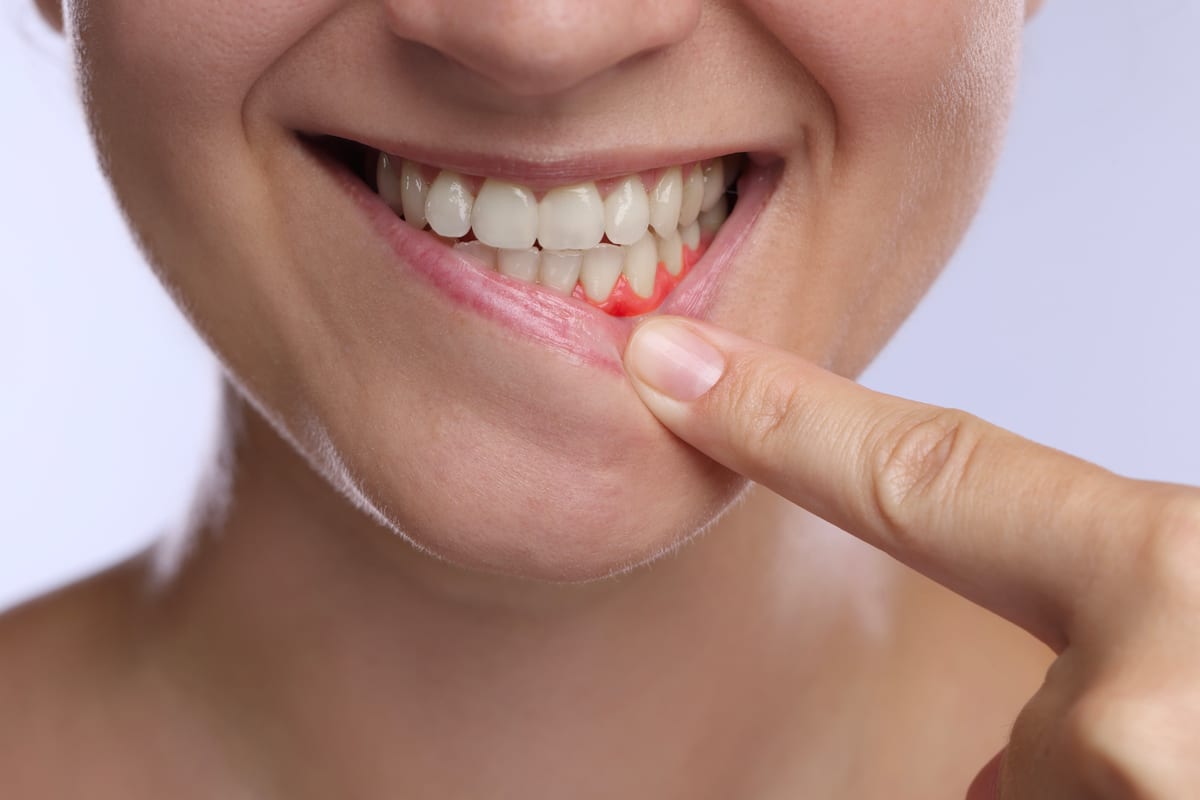
When those channels are exposed, hot, cold, or even air can trigger a sharp, brief pain. This is what most patients describe as whitening sensitivity. The sensation is usually short-lived and resolves within 24 to 48 hours. However, patients with naturally thin enamel or existing sensitivity may notice stronger reactions.
Overuse of whitening products also increases sensitivity risk. Using high-concentration gels too frequently damages enamel over time. This is why professional supervision matters greatly. A Dental Office California like Larwin Square Dentistry ensures treatments are safe and correctly dosed for each patient.
Common Triggers That Make Whitening Sensitivity Worse
Not all patients experience sensitivity the same way. Several factors can make the reaction more intense or longer-lasting. Knowing your personal risk factors helps you prepare and protect yourself.
Here are the most common triggers that increase whitening sensitivity:
- Pre-existing sensitivity: Patients who already react to cold foods are more prone to whitening discomfort.
- Thin or worn enamel: Less enamel means less protection for the underlying dentin and nerve.
- Gum recession: Exposed root surfaces have no enamel at all and are highly sensitive.
- Overuse of whitening products: More is not better — excessive treatment weakens enamel and inflames nerves.
- High-concentration at-home kits: Store-bought products with strong gels are often misused without guidance.
- Cracked teeth or leaking fillings: These allow peroxide to reach the nerve more directly.
Dr. Hiral Desai performs a thorough dental exam before recommending any whitening treatment. This step identifies risks before they become problems. Addressing issues like cracked teeth or gum recession first protects your comfort throughout the whitening process.
How Dentists Minimize Sensitivity During Professional Whitening
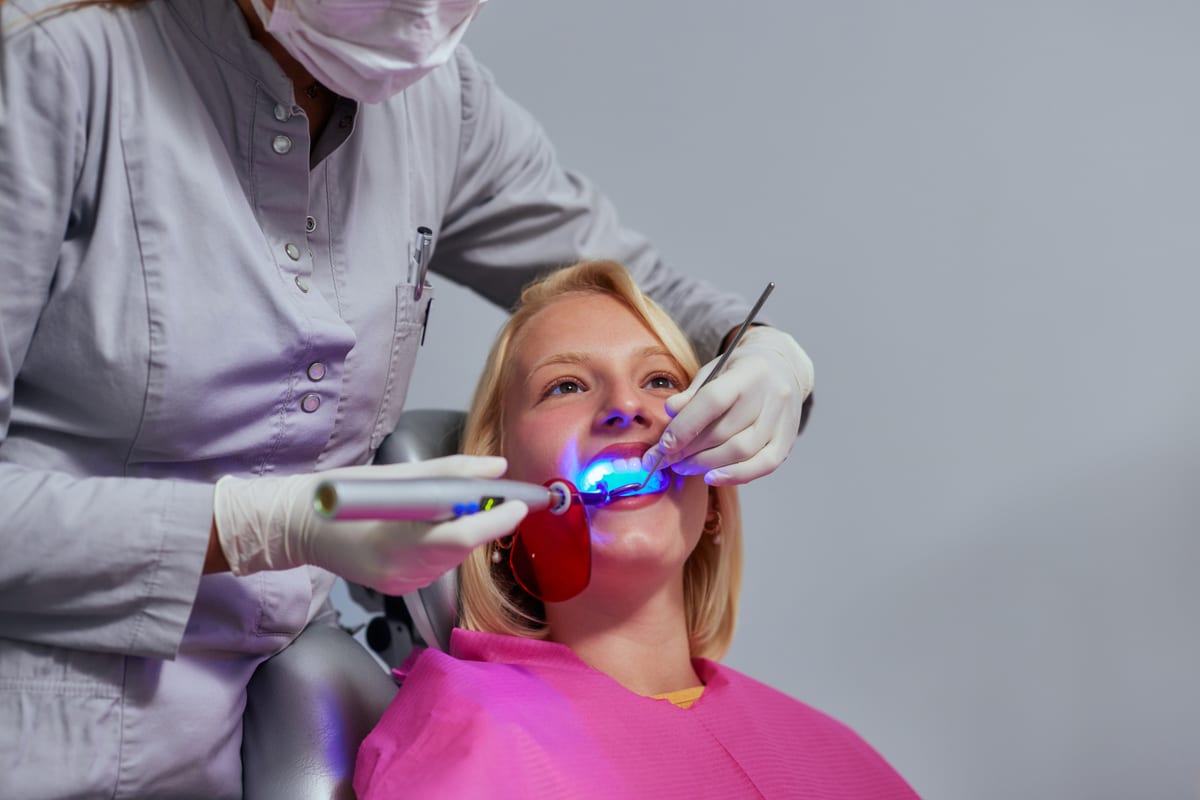
Professional whitening at a dental office is significantly safer than most at-home alternatives. Dentists use precise concentrations and application techniques to reduce sensitivity. They also have tools and products unavailable over the counter.
Here is what patients can expect from a professionally supervised whitening treatment:
- Pre-treatment assessment: Dr. Desai reviews your dental health and identifies any sensitivity concerns.
- Gum protection: A barrier gel shields your gums from direct peroxide contact during treatment.
- Custom-fitted trays: Properly fitted trays prevent gel from leaking onto soft tissue.
- Fluoride application: A post-whitening fluoride treatment helps remineralize enamel immediately.
- Desensitizing agents: Products containing potassium nitrate or arginine calm nerve activity.
Professional-grade desensitizing gels are applied before or after whitening. These products block dentinal tubules and reduce nerve stimulation. Patients who receive this care report far less discomfort than those who whiten on their own. The difference between supervised and unsupervised whitening is significant when it comes to comfort.
It is also worth noting that professional whitening achieves better results in fewer sessions. Fewer sessions mean less total exposure to peroxide. This directly lowers the risk of sensitivity while still delivering a noticeably whiter smile.
What You Can Do at Home to Prevent Whitening Sensitivity
Your daily habits before and after whitening make a real difference. Simple adjustments can reduce sensitivity and protect your enamel long-term. Dr. Hiral Desai recommends a proactive approach for all whitening patients in California.
Start using a sensitivity-specific toothpaste at least two weeks before your whitening appointment. Look for products containing potassium nitrate or stannous fluoride. These ingredients block nerve signals and strengthen enamel over time. Consistent use before treatment reduces your baseline sensitivity level significantly.
During and after whitening, follow these practical tips:
- Avoid very hot or very cold foods and drinks for 48 hours after treatment.
- Skip acidic foods like citrus and vinegar for at least two days post-whitening.
- Do not brush aggressively — use a soft-bristled brush and gentle strokes.
- Stay hydrated to support saliva production, which naturally remineralizes enamel.
- Use a fluoride mouth rinse daily to strengthen your enamel between sessions.
- Follow your dentist’s recommended treatment schedule — do not rush or double up.
If sensitivity persists beyond 48 hours after whitening, contact your dental office. Prolonged pain can signal an underlying issue that needs attention. Ignoring it rarely helps and can sometimes make things worse. Dr. Desai and the Larwin Square Dentistry team are always available to assess any post-treatment concerns.
Connecting Whitening Care to Your Overall Dental Health in California
Teeth whitening works best when your overall dental health is strong. Healthy gums, intact enamel, and clean teeth all improve whitening outcomes. Regular preventive care sets the foundation for a safe and effective whitening experience.
Routine teeth cleanings remove surface stains and tartar that can interfere with whitening gels. A clean tooth surface allows the peroxide to work more evenly and efficiently. Patients who maintain regular cleaning appointments often need less whitening product to achieve their desired shade. This means less exposure and lower sensitivity risk overall.
For patients interested in broader smile improvements, whitening is often just one step. Some patients combine whitening with treatments like veneers or dental crowns for more comprehensive results. Dr. Desai creates personalised treatment plans that align cosmetic goals with your dental health needs. Understanding all your options helps you make confident, informed choices.
For patients needing restorative work alongside cosmetic treatment, Dental Implants California may also be worth discussing during your consultation. A complete smile addresses both function and appearance together.
Conclusion: Brighter Smiles Without the Discomfort
Whitening sensitivity is common, but it does not have to stop you from achieving the smile you want. Understanding why it happens empowers you to take smart preventive steps. Working with an experienced dental team like Larwin Square Dentistry gives you the tools and support to whiten safely and comfortably.
Dr. Hiral Desai takes a personalised, patient-centred approach to every whitening consultation in California. From pre-treatment assessment to post-whitening care, every step is designed to protect your comfort. You deserve a bright smile that does not come with unnecessary pain. Book Now to schedule your appointment with our team.
Frequently Asked Questions
How long does whitening sensitivity last?
Whitening sensitivity typically lasts between 24 and 48 hours after treatment. In most cases, it fades quickly once the whitening process is complete. Patients with pre-existing sensitivity may notice slightly longer discomfort. Using a desensitizing toothpaste before and after treatment helps shorten recovery time significantly.
Is professional whitening safer than at-home kits for sensitive teeth?
Yes, professional whitening is generally much safer for patients with sensitive teeth. Dentists use controlled concentrations and apply protective barriers to minimise irritation. They also use desensitizing agents that are not available in store-bought kits. Professional supervision dramatically reduces the risk of enamel damage or prolonged sensitivity.
Can I whiten my teeth if I already have sensitive teeth?
Many patients with sensitive teeth do successfully whiten under professional guidance. Dr. Hiral Desai evaluates your sensitivity level and customises the treatment approach accordingly. Lower-concentration gels and shorter application times are often used for sensitive patients. Pre-treatment with desensitizing products also helps manage discomfort effectively.
What foods should I avoid after teeth whitening?
After whitening, avoid very hot, cold, or acidic foods and drinks for at least 48 hours. This includes coffee, tea, citrus juices, carbonated drinks, and spicy foods. These items can irritate sensitive enamel and reverse whitening results early on. Sticking to mild, room-temperature foods during this window helps protect both your comfort and your results.
How often should I whiten my teeth to avoid over-sensitivity?
Most dentists recommend whitening no more than once or twice per year for touch-up treatments. Whitening too frequently weakens enamel and increases sensitivity over time. Dr. Desai will recommend a personalised schedule based on your current shade and sensitivity history. Following professional guidance ensures you maintain results without compromising your tooth health.