Dental Implants vs. Dentures vs. Bridges in Santa Ana

Losing a tooth changes more than your smile. It affects how you eat, speak, and feel about yourself every single day. If you live in Santa Ana and are weighing your options, the question of Dental Implants vs. Dentures vs. Bridges: Which Actually Lasts Santa Ana patients ask most often is a smart place to start. Understanding the real differences helps you make a confident, informed decision.
At Dental Office, Dr. Hiral Desai helps patients navigate exactly these choices. Each option has distinct advantages, limitations, and lifespans. This guide breaks down all three so you can decide which fits your life, your mouth, and your long-term goals.
What Are Dental Implants, Dentures, and Bridges?
Before comparing them, it helps to understand what each option actually is. These are three very different solutions to the same problem: missing teeth.
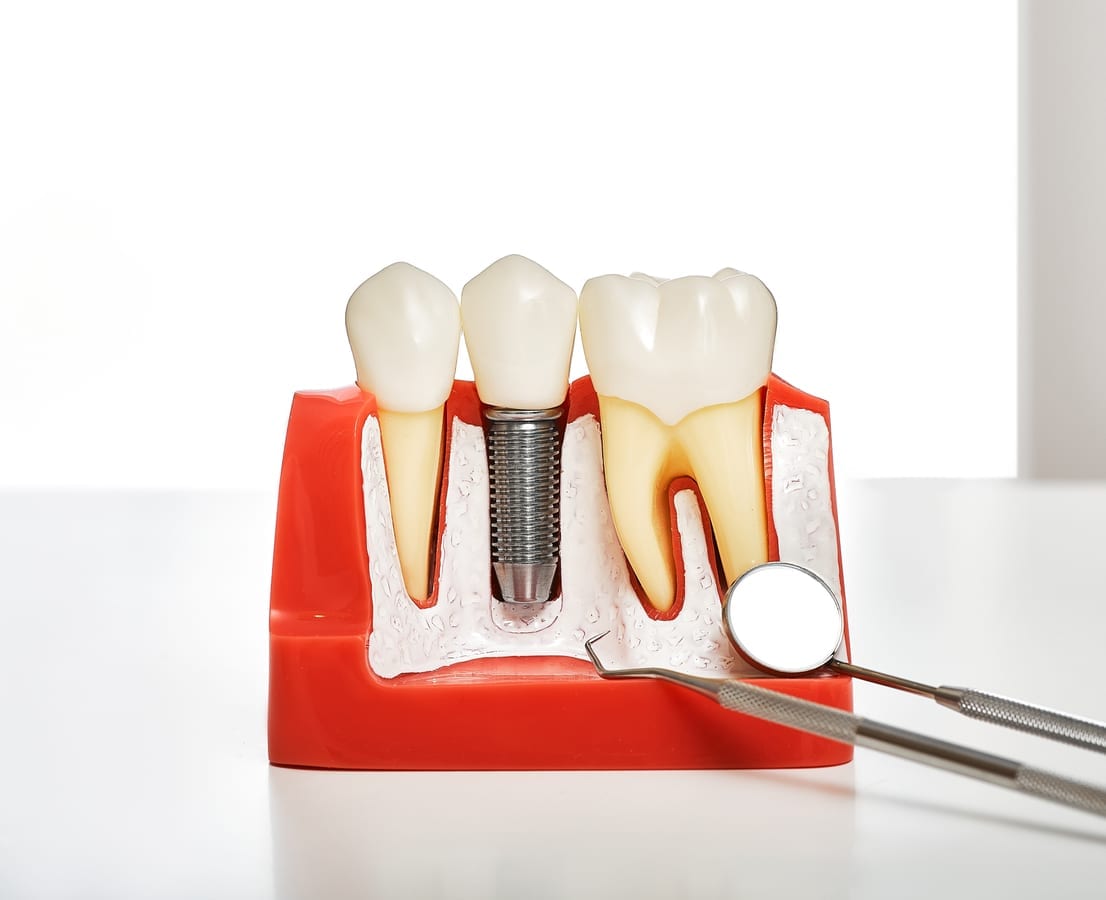
Dental implants are titanium posts surgically placed into your jawbone. They act as artificial tooth roots. A custom crown sits on top, looking and functioning like a real tooth. Implants are a permanent, standalone solution.
Dentures are removable appliances that replace multiple missing teeth. Full dentures replace an entire arch. Partial dentures fill gaps when some natural teeth remain. They rest on your gums and can be taken out daily.
Dental bridges span a gap between two existing teeth. The neighboring teeth act as anchors, called abutments. A false tooth, called a pontic, fills the space in between. Bridges are fixed and non-removable once placed.
Dental Implants vs. Dentures vs. Bridges: Durability Compared for Santa Ana Patients
When Santa Ana patients ask which option lasts longest, the answer is almost always dental implants. With proper care, implants can last a lifetime. The titanium post fuses with the jawbone through a process called osseointegration. That creates a remarkably stable foundation.
Dental bridges typically last 10 to 15 years. Their lifespan depends heavily on oral hygiene and how well you care for the anchor teeth. Over time, those anchor teeth can weaken under the added stress of supporting the bridge.
Dentures have the shortest functional lifespan of the three. Most dentures need relining or replacement every 5 to 8 years. Your jawbone changes shape after tooth loss, causing dentures to fit poorly over time. Ill-fitting dentures can cause sore spots and eating difficulties.
- Dental implants: 20+ years, often lifetime with good care
- Dental bridges: 10–15 years on average
- Dentures: 5–8 years before adjustments or replacement
Which Option Protects Your Jawbone and Oral Health?
This is where dental implants truly separate themselves from the alternatives. When you lose a tooth, the jawbone beneath it begins to shrink. This is called bone resorption. Implants are the only tooth replacement option that prevents this process.
Because implants are anchored directly into the jaw, they stimulate the bone just like natural tooth roots. This keeps your facial structure intact. It also preserves the health of surrounding teeth.
Bridges do not prevent bone loss under the missing tooth. The pontic sits above the gum line without any root contact. Over the years, the bone beneath it gradually shrinks. This can affect your appearance and long-term dental health.
Dentures actively contribute to bone loss over time. As the ridge beneath them shrinks, dentures become looser. That’s why denture wearers often need frequent adjustments. Bone loss also leads to a sunken facial appearance many patients want to avoid.
- Implants stimulate the jawbone and prevent bone loss
- Bridges leave the area below the gum unstimulated
- Dentures accelerate bone resorption over time
- Only implants maintain your natural facial structure long-term
Cost, Comfort, and Daily Life: What to Expect With Each Option
Many Santa Ana patients initially choose dentures or bridges because of upfront cost. Dental implants do cost more at the start. However, when you factor in replacements and adjustments over a decade, implants often become the most cost-effective choice long-term.
Comfort matters just as much as cost. Implants feel the most like natural teeth. You brush and floss them normally. There are no adhesives, no removal routines, and no slipping when you speak or eat.
Bridges require extra cleaning under the pontic. Floss threaders or water flossers help keep the area healthy. Most patients adapt well, but the cleaning process is more involved than with natural teeth or implants.
Dentures require the most daily maintenance. You remove them at night, soak them, and use adhesives to keep them in place. Some patients find them uncomfortable, especially when eating crunchy or sticky foods. However, dentures do remain an accessible and effective solution for many people.
It is also worth noting that maintaining your overall oral health through preventive care is essential regardless of which option you choose. Treatments like Dental Sealants can help protect your remaining natural teeth from decay, reducing the risk of further tooth loss down the road.
Who Is the Right Candidate for Each Option?
Not every patient qualifies for every treatment. Your overall health, bone density, and the number of missing teeth all play a role in determining the best fit.
Dental implants require sufficient jawbone density to support the post. Patients with significant bone loss may need a bone graft first. Good general health matters too, since surgery is involved. Most healthy adults with missing teeth are strong candidates.
Bridges work best when healthy, strong teeth sit on either side of the gap. If those neighboring teeth are already compromised, placing a bridge could weaken them further. Bridges are ideal for single-tooth replacements with solid adjacent support.
Dentures suit patients who are missing many or all of their teeth. They are also a good option for patients who cannot undergo surgery. Modern dentures fit better than ever and can significantly improve quality of life when implants are not possible.
Conclusion: Making the Right Choice in Santa Ana
The debate of Dental Implants vs. Dentures vs. Bridges — which actually lasts in Santa Ana — does not have a one-size-fits-all answer. Implants offer the longest lifespan, best bone preservation, and most natural feel. Bridges offer a reliable middle ground for single-tooth gaps. Dentures provide an accessible option for full-arch replacement or those who cannot have surgery.
The best way to find your ideal solution is through a personalized consultation. Dr. Hiral Desai at Larwin Square Dentistry will evaluate your unique situation and walk you through every option clearly and honestly. Book Now to schedule your appointment with our team.
Frequently Asked Questions
How long do dental implants actually last compared to dentures?
Dental implants can last 20 years or even a lifetime with proper care. Dentures typically need replacement or relining every 5 to 8 years due to changes in your jawbone shape over time.
Can I get dental implants if I’ve already been wearing dentures?
Yes, many patients transition from dentures to implants. However, long-term denture wear often causes bone loss, which may require a bone graft before implant placement. Dr. Hiral Desai can evaluate your bone health and discuss your options.
Are dental bridges a permanent solution?
Dental bridges are fixed and non-removable, but they are not permanent in the way implants are. Most bridges last 10 to 15 years before they need replacement. Proper hygiene and regular dental visits help extend their lifespan.
Do dental implants feel like real teeth?
Yes. Dental implants are designed to look, feel, and function like natural teeth. Most patients report that implants feel completely natural and allow them to eat, speak, and smile without worry.
What happens to my jawbone if I don’t replace a missing tooth?
When a tooth is lost, the jawbone beneath it begins to shrink through a process called bone resorption. Over time, this can affect your facial appearance and the health of surrounding teeth. Dental implants are the only replacement option that actively prevents this bone loss.