
Gum Health
Is a Deep Cleaning Necessary? Scaling and Root Planing Explained
Told you need a deep cleaning? Why, what happens, and whether it hurts.
4 min readBy Hiral Desai, DDS, MDS, D. ABDSM
Bleeding when you brush or floss is common, but it is not normal. Here is what usually causes it, what you can do at home and when to see a dentist.
The short answer
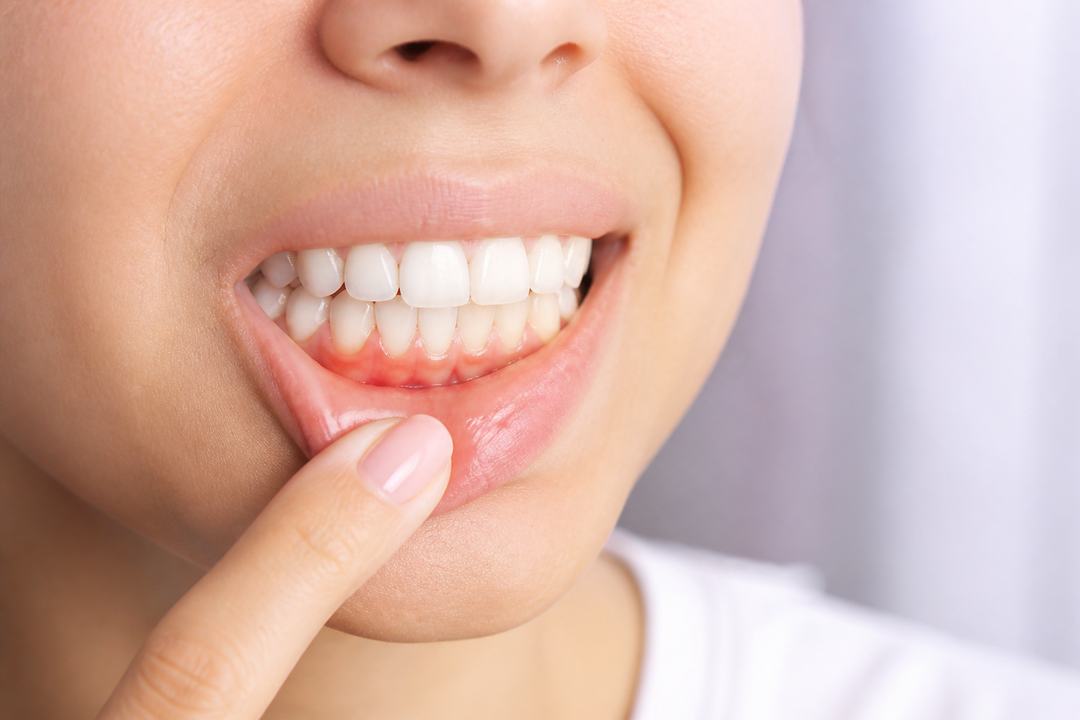
Bleeding gums are most often caused by gingivitis, the early stage of gum disease, which usually improves with gentle, thorough brushing, daily flossing and a professional cleaning. See a dentist soon if the bleeding keeps happening, and right away if it is heavy, won't stop with pressure, or comes with swelling, pain or pus.
Bleeding gums are often a sign of a problem that shouldn't be ignored. Occasional bleeding when you brush or floss may not be serious, but bleeding that keeps happening, or that is heavy, can point to something that needs care. This guide covers the common causes, what you can do at home and the signs that mean it's time to see a dentist.
Bleeding gums can have many causes, from minor to serious:
If your gums bleed a little when you brush or floss, start with these steps:
If the bleeding hasn't improved after a week or two of good home care, book a visit. A professional cleaning removes the tartar that brushing can't.
If your gums bleed heavily and the bleeding doesn't stop after a few minutes of pressure, seek care right away. It can be a sign of gum disease, an injury or another condition that needs prompt attention from an emergency dentist.
Swollen, tender gums can mean infection or inflammation. If your gums are swollen and bleeding, see a dentist soon. Left untreated, it can lead to a painful abscess.
Bleeding with pain, especially when you chew or brush, can be a sign of advanced gum disease, an abscess or another dental problem that needs prompt care.
Gums pulling away from the teeth can be caused by gum disease or brushing too hard. Receding gums expose the roots, which can cause sensitivity and raise the risk of infection. A dentist can find the cause and recommend treatment.
Chronic bad breath can be a sign of gum disease. If it continues despite brushing and flossing, see a dentist. Read How to Get Rid of Bad Breath from Gum Disease.
Gums bleeding often? Book a gum check with Dr. Desai.
Book a consultationTreatment depends on the cause. For gingivitis, a professional cleaning and better home care are often enough. For periodontitis, your dentist may recommend a deep cleaning (scaling and root planing) and regular gum maintenance visits. Read Is a Deep Cleaning Necessary? to learn more.
We treat bleeding gums and gum disease for patients from Tustin, Irvine, City of Orange, Santa Ana and the rest of Orange County, including same-day visits when you need them. Larwin Square Dentistry is at 604 E 1st St in the Larwin Square Shopping Center in Tustin. We're open Monday to Wednesday and Friday from 9:00 AM to 5:30 PM, and every Saturday from 8:00 AM to 2:30 PM. Call (714) 505-9462 or book online.
It's common, but it isn't normal. Bleeding usually means the gums are inflamed, most often from plaque buildup. It often improves with gentle brushing, daily flossing and a professional cleaning.
No. Keep flossing gently every day. The bleeding usually decreases as your gums become healthier. If it doesn't improve within a week or two, see your dentist.
Seek care right away if the bleeding is heavy and won't stop with pressure, or if it comes with swelling, severe pain, pus or a fever.
Most bleeding gums are caused by gum inflammation, but they can also be linked to medications, vitamin deficiencies, diabetes or bleeding disorders. Your dentist can help find the cause and refer you to your doctor if needed.
Early care keeps gum problems small. If your gums keep bleeding, book a visit and Dr. Desai will find the cause and recommend the right treatment.
Told you need a deep cleaning? Why, what happens, and whether it hurts.
Why gum disease causes bad breath that mints cannot fix, and how treating the gums clears it up.
Why toothaches feel worse at night, and safe ways to ease the pain until morning.
This guide is general information, not a diagnosis. Book a visit for advice about your own teeth.