Sleep Apnea
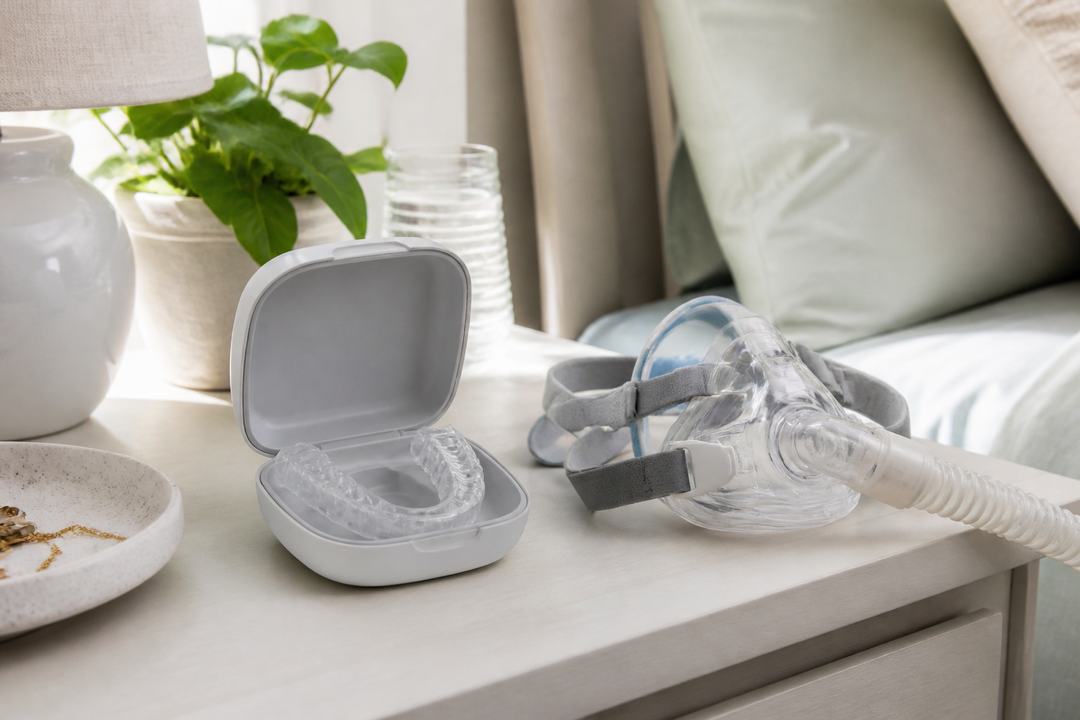
Oral Appliance vs CPAP: Which Sleep Apnea Treatment Fits You?
Can't tolerate CPAP? How a custom oral appliance compares, and who it suits.
4 min readBy Hiral Desai, DDS, MDS, D. ABDSM
Snoring is common and often harmless. Sometimes it is a sign of sleep apnea, a condition that affects your health and energy. Here is how to tell the difference.
The short answer
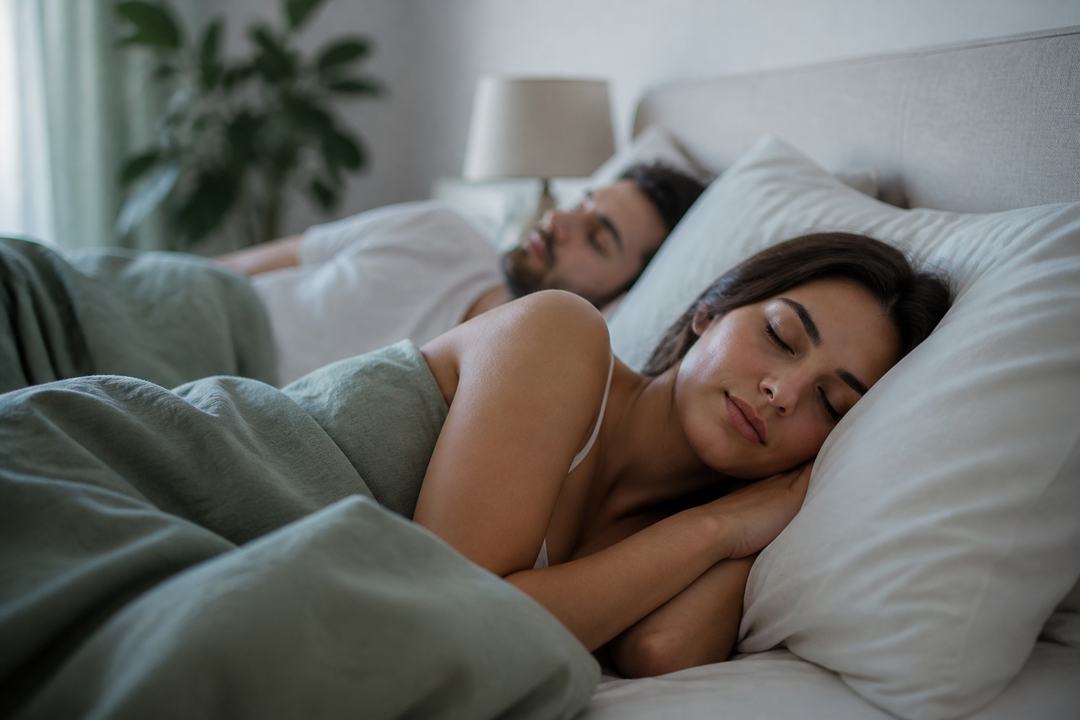
Snoring alone is not always sleep apnea, but loud snoring with pauses in breathing, daytime tiredness or morning headaches can be. Dentists often see early signs such as tooth grinding, a scalloped tongue and dry mouth.
Snoring is the sound of air moving past relaxed tissue in the throat. Obstructive sleep apnea happens when that tissue blocks the airway, so breathing repeatedly stops and starts during the night.
Dentists sometimes spot clues during routine visits, such as worn teeth from grinding, a scalloped edge on the tongue, a narrow airway or dry mouth. These don't diagnose sleep apnea, but they are a good reason to ask about testing.
Worried about your snoring? Book a sleep consultation.
Book a consultationOnly a sleep study can confirm sleep apnea. A home sleep test is often the first step, and some people need an in-lab study. We can refer you for either. If you are diagnosed, see Oral Appliance vs CPAP.
Our office is at 604 E 1st St in the Larwin Square Shopping Center in Tustin, through SnoozX-AI, our dedicated sleep apnea center. Call (714) 505-9462.
Yes. Weight is one risk factor, but jaw shape, airway size and other factors matter too.
Simple snoring is often harmless, though it can disturb sleep for you and your partner.
No. A sleep physician diagnoses it from a sleep study. Dentists can screen for signs and provide oral appliance therapy.
If your snoring comes with pauses in breathing or daytime tiredness, a sleep test gives you a clear answer.
Sources: NHLBI: Sleep Apnea Symptoms
Can't tolerate CPAP? How a custom oral appliance compares, and who it suits.
Why oral appliances are billed to medical insurance, and what Medicare usually needs.
Practical tips for a sensitive gag reflex, and how digital scans help.
This guide is general information, not a diagnosis. Book a visit for advice about your own teeth.