Sleep Apnea
Snoring or Sleep Apnea? Signs Your Dentist Can Spot
Loud snoring, dry mouth or grinding? The warning signs and when to get tested.
3 min readBy Hiral Desai, DDS, MDS, D. ABDSM
Waking up with a dry mouth is easy to brush off, but it can be a sign of obstructive sleep apnea. Here is the connection and what you can do about it.
The short answer
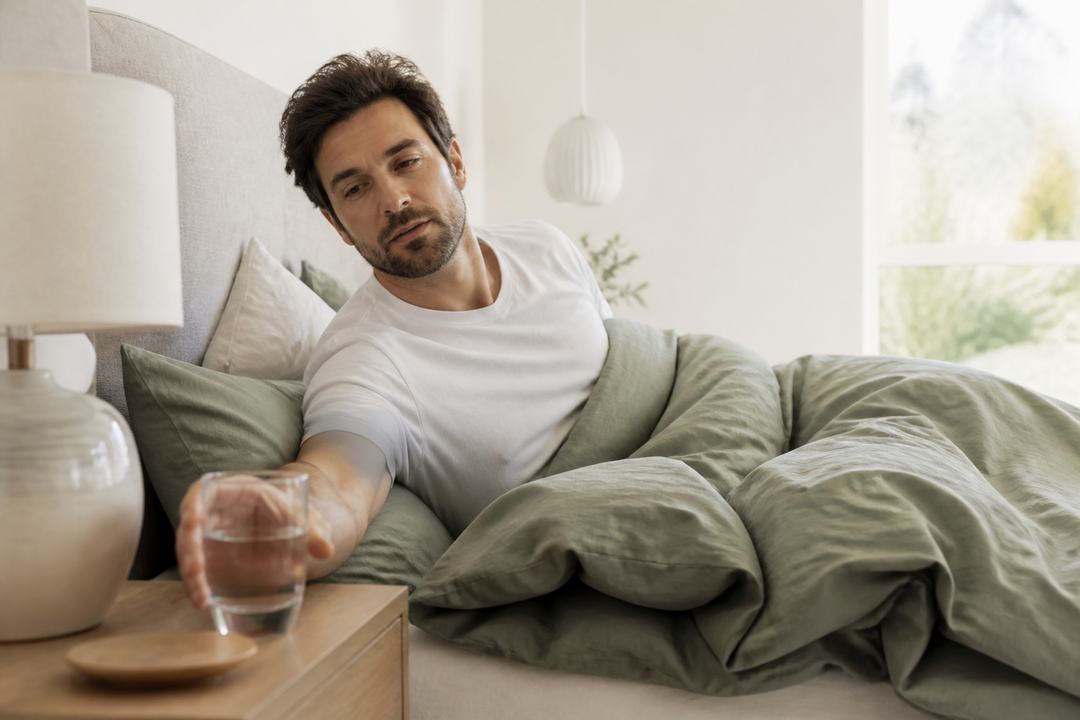
Yes. People with obstructive sleep apnea often breathe through their mouth at night, which dries the mouth out. CPAP use and some medications can also cause dry mouth. If you often wake with a dry mouth, especially with loud snoring or daytime tiredness, talk to your doctor or dentist about a sleep evaluation.
Obstructive sleep apnea (OSA) is a common but serious sleep disorder. The airway repeatedly becomes blocked during sleep, reducing or stopping airflow. One lesser-known sign of OSA is dry mouth (xerostomia). This guide explains the connection, the effects on your oral health and how to manage it.
In OSA, the muscles at the back of the throat relax during sleep and fail to keep the airway open, even though you keep trying to breathe. This causes repeated pauses in breathing through the night, which disrupt sleep and can lower blood oxygen levels. Common symptoms include loud snoring, daytime sleepiness and morning headaches. Dry mouth is another symptom that can have a big effect on people with OSA. Read Snoring or Sleep Apnea? Signs Your Dentist Can Spot.
Dry mouth means there isn't enough saliva in your mouth. It is common in people with OSA for several reasons:
Dry mouth is more than uncomfortable. It can affect your teeth, gums and overall well-being:
Waking up with a dry mouth? Ask Dr. Desai about a sleep apnea screening.
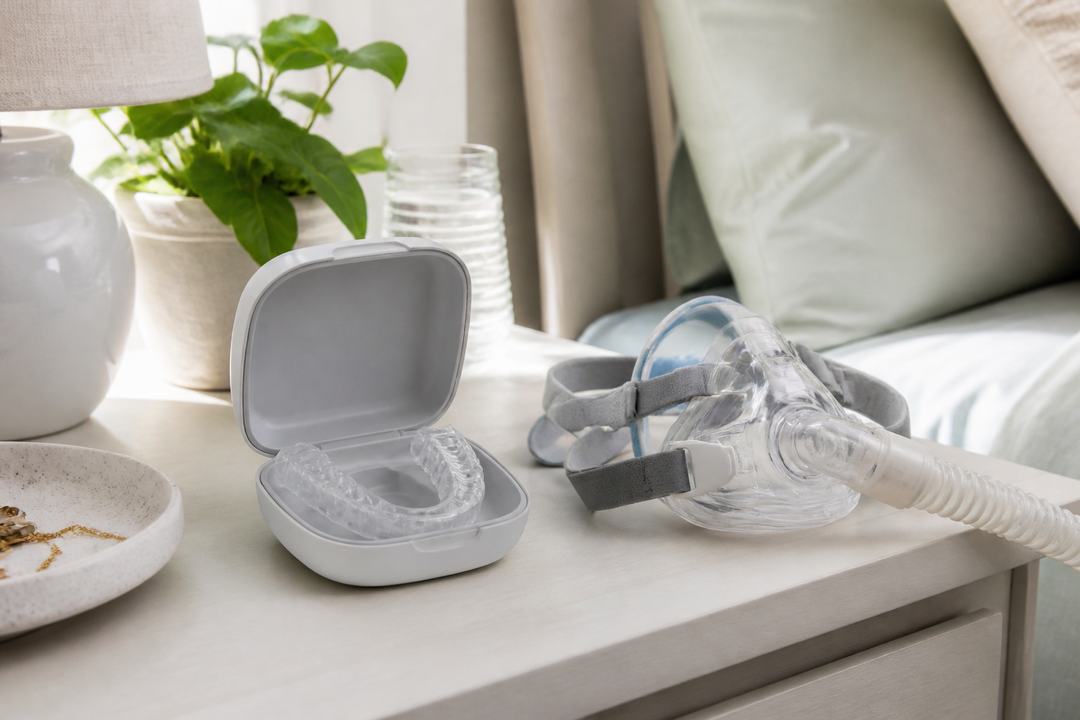
Book a consultationIf you often wake up with a dry mouth, especially with snoring, gasping at night or daytime tiredness, talk to your doctor or dentist. A sleep test is the only way to diagnose sleep apnea. If you already have OSA and dry mouth, your sleep physician and dentist can work together to adjust your treatment. For people who can't tolerate CPAP, a custom oral appliance may be an option. Read Oral Appliance vs CPAP.
Dr. Desai is a Diplomate of the American Board of Dental Sleep Medicine. Sleep apnea care is provided through SnoozX-AI, our dedicated sleep apnea center, here at Larwin Square in Tustin, for patients from Irvine, City of Orange, Santa Ana and the rest of Orange County. Larwin Square Dentistry is at 604 E 1st St in the Larwin Square Shopping Center in Tustin. We're open Monday to Wednesday and Friday from 9:00 AM to 5:30 PM, and every Saturday from 8:00 AM to 2:30 PM. Call (714) 505-9462 or book online.
The most common reason is breathing through your mouth while you sleep. Snoring, sleep apnea, a blocked nose, CPAP use and some medications can all cause it.
It can be. People with sleep apnea often breathe through their mouth at night. Dry mouth along with loud snoring or daytime sleepiness is worth discussing with your doctor or dentist.
Yes, especially if the mask leaks or you breathe through your mouth. A better-fitting mask, a heated humidifier or a pressure adjustment often helps.
Yes. Dentists trained in dental sleep medicine can screen for sleep apnea and make custom oral appliances for patients diagnosed by a sleep physician.
If dry mouth, snoring or tiredness are part of your mornings, book a visit. Dr. Desai can screen for sleep apnea and work with your physician on the next steps.
Loud snoring, dry mouth or grinding? The warning signs and when to get tested.
Can't tolerate CPAP? How a custom oral appliance compares, and who it suits.
Why oral appliances are billed to medical insurance, and what Medicare usually needs.
This guide is general information, not a diagnosis. Book a visit for advice about your own teeth.